
As part of the week of natural and mathematical disciplines, and on the occasion of the 39th anniversary of the Chernobyl accident, with the participation of first-year students, teacher Lyubov KASARDA held a round table on the topic: “Chernobyl: from the accident to the present”
“… And – do not forget! – while the world and people,
Sons of the earth, who took away the fire”
B.Oliynyk
The Chernobyl nuclear power plant is a symbol of the largest man-made disaster in the history of mankind. The tragedy caused by the explosion at its fourth power unit is unparalleled in terms of the amount of environmental pollution, the negative impact on people’s health and psyche, their daily lives, and socio-economic living conditions.

On this day in 1986, two explosions and a fire occurred at the Chernobyl nuclear power plant, as a result of which the total radiation of isotopes released into the air amounted to 50 million curies, which is 30-40 times more than during the Hiroshima bomb explosion in 1945. The reactor contained about 200 tons of uranium. There was a powerful release of radioactive substances from the reactor core. Iodine-131, cesium-134, -137, strontium-90, plutonium-239, plutonium-240. The fire lasted 10 days and claimed the lives of 31 people. The graphite finally stopped burning only on May 10.
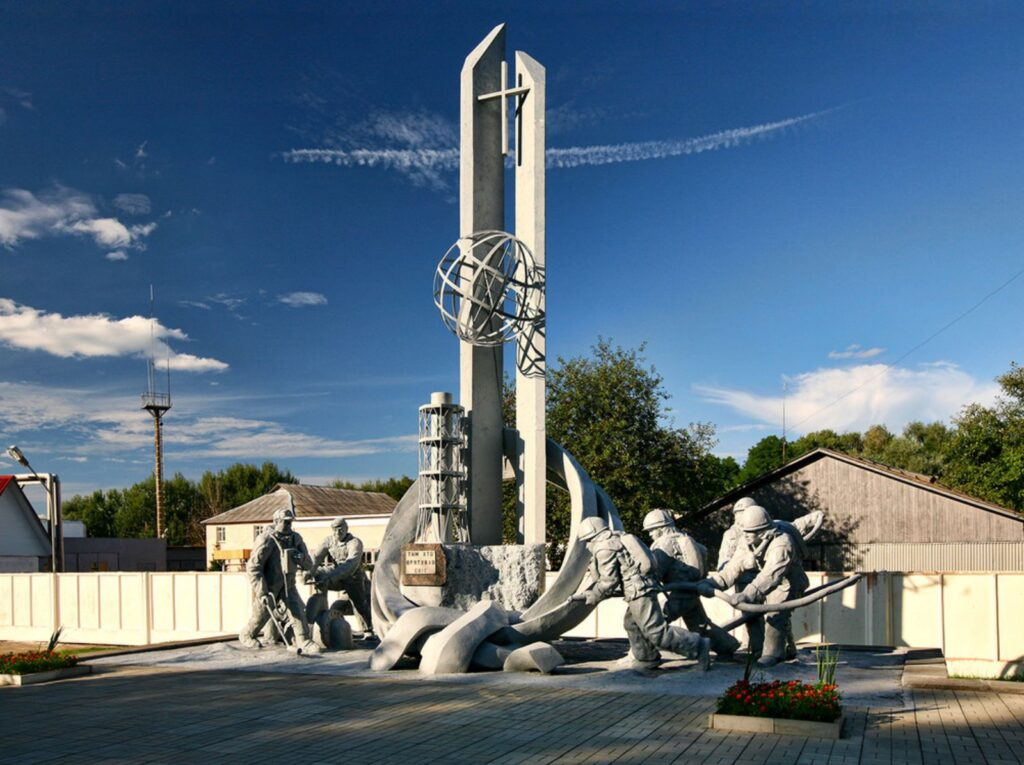
April 26 is the International Day of Remembrance for Victims of Radiation Accidents and Honoring the Heroism of Liquidators, Firefighters, Maintenance Personnel, Military Personnel, Builders, Scientists, and Doctors Who Participated in Eliminating the Consequences of the Chernobyl Disaster. The feat of these people is forever inscribed in the annals of human courage and will forever remain in the memory of the Ukrainian people.
During the event, students watched the video “Chernobyl. How the Chernobyl Disaster Happened” and saw new facts about this tragedy. Those present observed a minute of silence to honor all those who gave their lives saving the Ukrainian people from radiation danger.
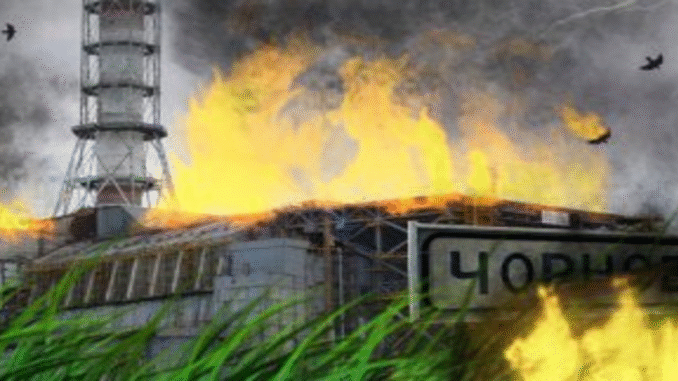
Students had the opportunity to virtually visit the Chernobyl Museum, which was founded by the former Chernobyl disaster liquidator I.D. Gladush in Kyiv. Here are some excerpts from it:
It was here that the students learned other details of the disaster. After the explosion and fire, a radioactive cloud was formed, which covered not only the territories of modern Ukraine, Belarus and Russia, but also the territories of many European countries – Sweden, Austria, Norway, Germany, Finland, Greece, Romania, Slovenia, Lithuania, Latvia. According to the International Nuclear Event Scale (INES), this accident was classified as the highest – the seventh level of danger.
In the first days after the accident, the population of a 10-kilometer zone was evacuated, which was expanded to 30 kilometers, some elderly people returned here a little later. In total, 2293 settlements in Ukraine became radioactively contaminated, in which more than 2.6 million people lived at the end of the eighties of the last century. As a result of this disaster, more than 5 million hectares of land were withdrawn from agricultural use. Of the victims of the accident, 167,653 people died, including 2,929 liquidators.
To prevent the spread of radiation, at the end of 1986, the destroyed reactor was covered with a special “sarcophagus”. According to experts, about 95% of the fuel that was in the reactor at the time of the accident remained under it, as well as a significant amount of radioactive substances consisting of the remains of the destroyed reactor. For safety reasons, the Chernobyl NPP was shut down on December 15, 2000. At the same time, the “Shelter” facility, built in 1986, was gradually collapsing.
Later, the students heard a report on the chronology of events from February 24, 2022, when the Russian occupiers seized the Chernobyl NPP. They learned that the occupiers had set up a command post for the Eastern Military District and the KP troops and a “transit base” on the territory of the nuclear power plant, through which tens of tons of shells passed. Chernobyl was also a “transit zone” for the occupiers’ departure. Over the past eight days, tens of thousands of units of Russian equipment, which are now in Belarus and Russia, have passed through this zone.
At the Chernobyl NPP, the occupiers destroyed and looted a unique radiological laboratory of world importance. This laboratory was a unique complex with powerful analytical capabilities and could provide services at any stage of radioactive waste management. It performed strategic functions when working with radioactive waste samples, helped analyze them, and ensured nuclear and radiation safety.
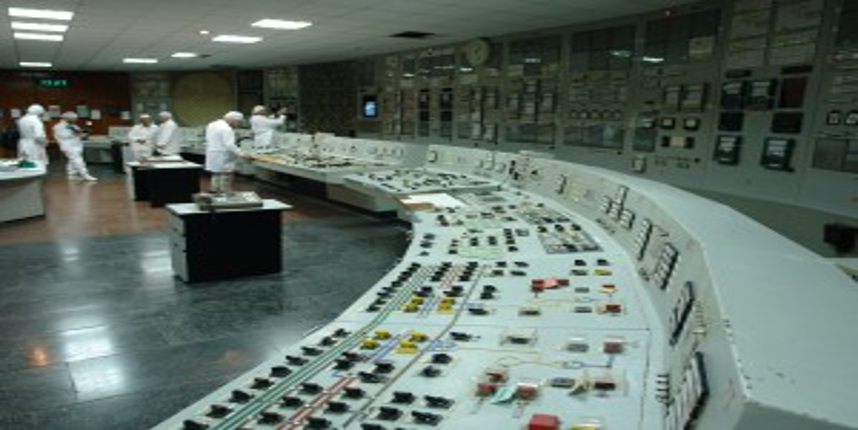
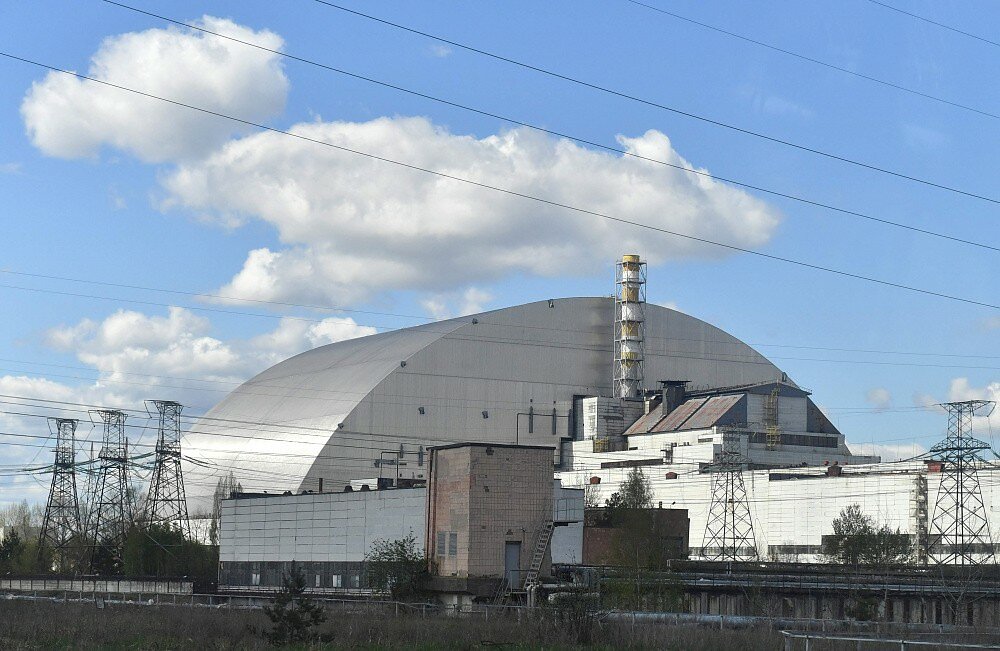
And on February 14, 2025, the Rashists damaged the Arch over the 4th power unit of the Chernobyl NPP with drones, which caused a fire and the destruction of part of it. This object was supposed to stand for another 100 years, but the “Shahed” hit the western part of the arch, without hitting the old sarcophagus, which covers the reactor located in the eastern part. Under the arch is equipment designed to dismantle the unstable structures of the old sarcophagus. These are, in particular, special cranes for lifting heavy loads. They took the hit. The unique equipment created specifically for this work was destroyed or damaged. It was very difficult to eliminate the fire. The smoldering centers were extinguished for almost three weeks. The sarcophagus itself was designed for 30 years. It allowed us to buy time. We can still suffer until 2029, but then we still have to dismantle it.”

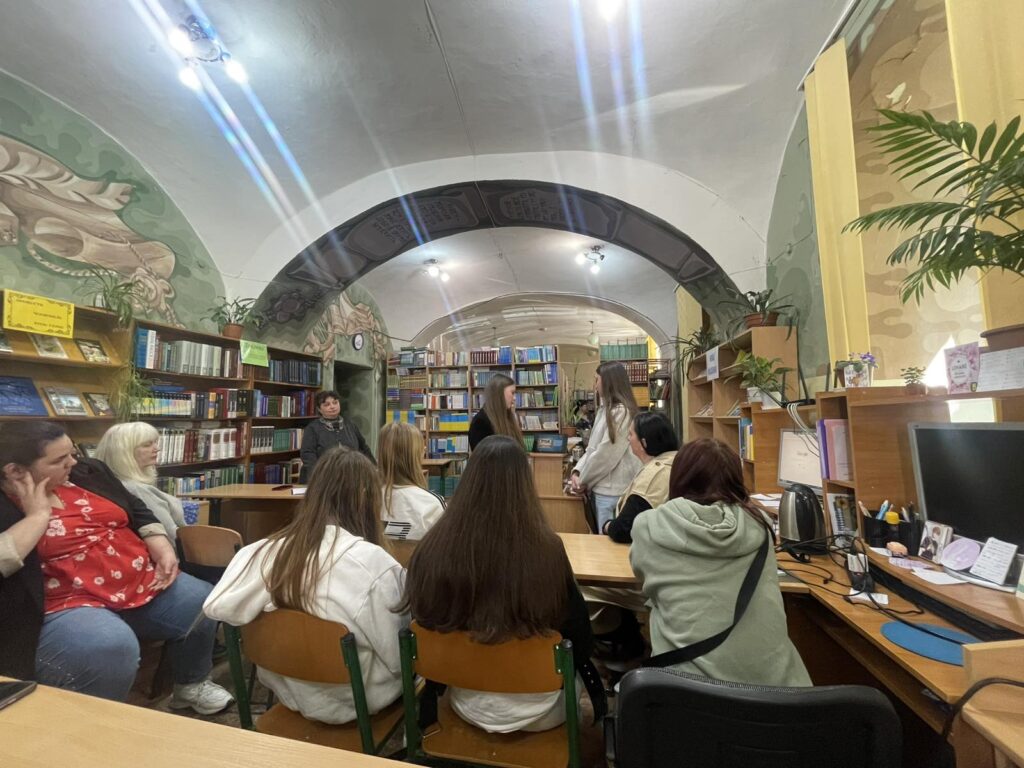
In the college library, employees Kateryna DYCHKO and Tetyana BERCHUK organized an exhibition of books and wall murals dedicated to the disaster, which everyone present had the opportunity to familiarize themselves with.
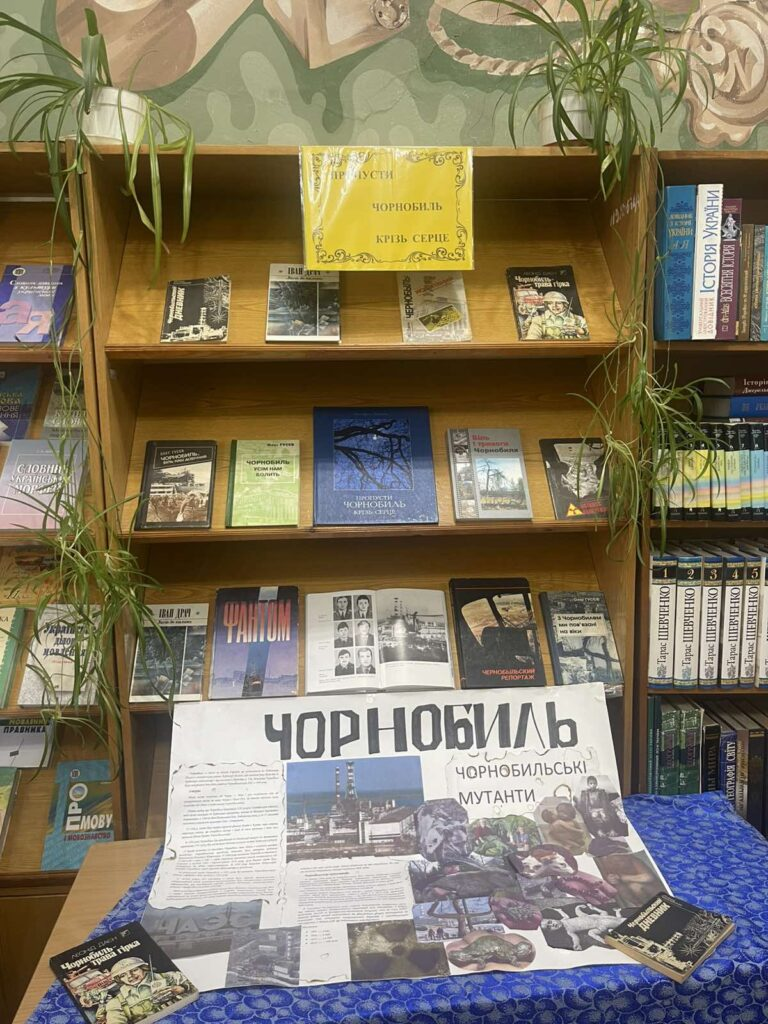
A low bow and deep gratitude to the heroes-liquidators for their heroism! Eternal memory to those whose lives were prematurely cut short in the Chernobyl hell.
The Chernobyl disaster, which in terms of the level of radiation disaster became a national tragedy of Ukraine, has no past tense. And although the explosion at the Chernobyl nuclear power plant is not the first nuclear accident in the world, but in terms of the scale of tragedy it is the largest, there is hope that no one will have to repeat this bitter experience.
Leave a Reply